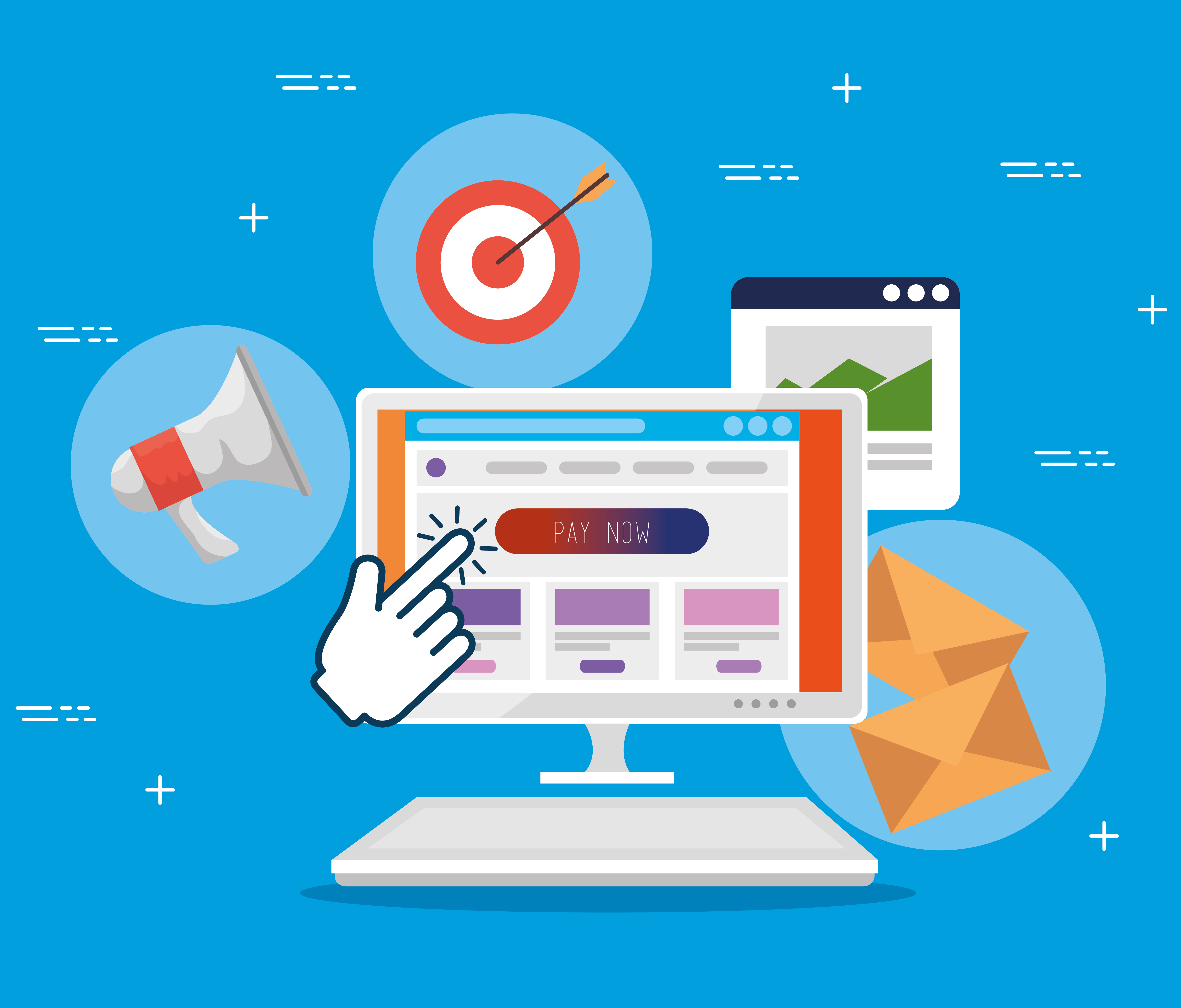
PPC Campaigns for B2B and E-Commerce: How Google Ads Services in the US Help You Scale Revenue Faster
Why B2B and E-Commerce Brands Need a Different PPC Strategy Entirely:
Most businesses treat
PPC like a universal switch. Flip it on, run some Google Ads, and expect
results. That thinking works well for simple consumer purchases. It falls apart
completely for B2B companies and e-commerce brands that operate in more complex
environments, with longer sales cycles, multiple decision-makers, and a buyer
journey that rarely ends with a single click.
The truth is, PPC
campaigns for a B2B technology company and PPC campaigns for an e-commerce
fashion brand share almost nothing in common beyond the platform they run on.
The keywords, the ad structure, the landing pages, the bidding strategy, and
the definition of success are fundamentally different for each.
This guide breaks down
exactly how Google Ads services in the US should be approached for both
audiences, what the data says about what works, and how Software4.net builds PPC ads services that are
engineered for your specific business model, whether you are selling to
procurement managers or converting cart abandoners at midnight.
1: Why PPC Campaigns Are Different
for B2B Versus E-Commerce
Before building a
single campaign, you need to understand what makes these two audiences behave
so differently online.
B2B Buying Cycles:
6 to 12 Months, Multiple Stakeholders
According to Gartner
research, a typical B2B buying group involves 6 to 10 decision-makers, each
conducting independent research before the group reaches a consensus.
Forrester's data puts the average even higher, at 13 stakeholders in many
enterprise deals. Your Google Ads campaign might generate the initial click
from a marketing manager, but the person who signs the contract is in a
completely different department.
This means B2B PPC
campaigns cannot be judged on immediate conversions. A click that generates a
qualified lead today might not produce revenue for six to nine months.
Measuring PPC success purely on cost per click or even cost per lead, without
tracking pipeline value and downstream revenue, will cause you to mismanage
budget and shut down campaigns that are working.
E-Commerce PPC:
Speed, Volume, and ROAS
E-commerce is the
opposite environment. Buyers browse, compare, and decide quickly. Many purchase
within the same session. The success metric is return on ad spend, and a
well-structured Google Shopping or Search campaign should be generating
measurable revenue within weeks of launch.
E-commerce PPC is
high-volume, high-iteration work. You are constantly testing product titles,
adjusting bids based on inventory levels, building remarketing audiences from
past visitors, and recovering abandoned carts with dynamic display ads. The
pace is fast, the data is rich, and the optimization never stops.
Why One Strategy
Cannot Serve Both Audiences
A PPC agency that runs
your B2B demand generation campaign the same way it runs an e-commerce
retargeting campaign will produce poor results for both. The bid strategies
differ. The landing pages differ. The conversion actions differ. Even the
platforms differ, because B2B campaigns benefit significantly from LinkedIn Ads
running alongside Google, while e-commerce brands extract tremendous value from
Google Shopping and Performance Max.
Recognizing this distinction is the first step toward running PPC campaigns that generate revenue, not just activity.

2: PPC for B2B Services: How to
Generate Qualified Leads, Not Just Clicks
The central challenge
of B2B PPC is not generating traffic. It is generating the right traffic, from
the right people, at the right stage of their research process.
Targeting
Decision-Makers, Not Just Job Titles
Google Search Ads
target intent, meaning what people type into the search bar. For B2B campaigns,
this means bidding on keywords that signal genuine commercial intent rather
than informational curiosity. Phrases like "Odoo ERP implementation
company," "Salesforce consulting services," or "B2B digital
marketing agency for manufacturers" are worth significantly more per click
than generic terms like "ERP software," because they signal a buyer
who is actively evaluating vendors.
Pairing Google Search
with LinkedIn Ads targeting by company size, seniority level, and industry adds
an account-based precision layer that Google alone cannot deliver. A prospect
who has seen your LinkedIn Sponsored Content three times and then searches for
your service on Google is far more likely to convert than a cold searcher.
The B2B Lead
Nurture Funnel and How PPC Feeds It
B2B PPC does not close
deals. It opens conversations. Your Google Ads campaign should drive qualified
prospects to a focused landing page with a single, low friction offer: a free
consultation, a downloadable guide, a custom audit, or a demo request. From
there, your CRM and email nurture sequences take over.
This means every B2B
PPC campaign needs three things working together: a high-intent keyword list, a
landing page built around a specific offer rather than a general "contact
us" form, and a remarketing audience that stays in front of prospects who
visited but did not convert the first time.
Software4.net's PPC ads services include
full-funnel campaign architecture for B2B clients, from initial search capture
through remarketing sequences, ensuring your ad spend generates pipeline, not
just clicks.
3: PPC for E-Commerce: Driving
Sales and ROAS with Google Shopping and Search:
For e-commerce brands,
Google Ads is not just a traffic channel. It is a revenue engine with
measurable, predictable output when managed correctly.
Google Shopping
Campaigns Versus Search Campaigns for Products
Google Shopping Ads
display your product image, title, price, and retailer name directly in search
results, before a user even clicks. They are visually rich, intent-matched, and
consistently deliver higher click-through rates for product-specific searches
than text ads alone. For most e-commerce brands selling physical products,
Shopping campaigns should receive most of their Google Ads budget.
Search campaigns
complement Shopping by capturing branded queries, competitor comparisons, and
high-intent phrases that Shopping does not cover, such as "best running
shoes under $100" or "eco-friendly kitchen products USA."
Remarketing:
Turning Abandoned Carts into Completed Orders
The average e-commerce
cart abandonment rate sits above 70%. That means seven out of every ten people
who added a product to your cart left without buying. Dynamic remarketing
campaigns on Google Display Network serve those exact visitors personalized ads
featuring the specific products they viewed, often at a fraction of the cost
per click of new customer acquisition.
A well-structured
remarketing sequence, targeting cart abandoners differently from product
viewers and lapsed customers, is often the highest-ROAS campaign in any
e-commerce account.
Setting a
Profitable ROAS Target
Before launching any
e-commerce PPC campaign, calculate your break-even ROAS. Divide your revenue by
your gross margin percentage. If your gross margin is 40%, your break-even ROAS
is 2.5x. Any ROAS above that threshold is profitable; anything below means you
are spending more on ads than you are earning in gross profit.
A healthy target ROAS for e-commerce brands on Google Ads typically falls between 3x and 5x, though this varies significantly by product category, average order value, and customer lifetime value.

4: Key PPC Benchmarks for B2B and
E-Commerce in 2026 (Data-Backed):
Understanding industry
benchmarks helps you set realistic expectations and evaluate whether your
campaigns are performing at market standard or falling short.
Here are the numbers
that matter most for 2026 planning, drawn from current industry data:
- Average Google Ads cost per lead (all
industries): $70.11
- Average cost per lead for B2B business
services: $103.54
- Average Google Ads conversion rate (all
industries): 7.52%
- B2B and technology verticals conversion
rate: 2 to 5%
- Average cost per click across Google Ads: $4.22
- Businesses earning $2 or more for every $1
spent on Google Ads: the
majority of well-managed accounts
- E-commerce average ROAS benchmark: 3x to 5x for healthy accounts
- 65% of small to mid-sized businesses now run active PPC campaigns
The B2B CPL of $103
sounds high in isolation. But when your average deal is worth $15,000 to
$150,000, a $103 lead is an exceptional investment if your qualification and
nurture process converts at even 5 to 10%. The metric that matters is not cost
per lead. It is revenue per dollar of ad spend.
5: Choosing the Right Google Ads
Service in the US: What to Look For:
With hundreds of PPC
agencies competing for your business across the US, separating genuine
expertise from surface-level promises requires asking the right questions.
Before signing with
any Google Ads service, ask:
- Can you show me examples of campaigns you
have managed in my industry, with actual performance data?
- How do you define and track a conversion
for my specific business model?
- What is your bid strategy process, and how
do you adjust it as campaigns mature?
- How do you report results, and what does a
monthly report include?
- What happens to our campaigns and data if
we stop working together?
Red flags to watch
for include agencies that
guarantee specific ranking positions, charge setup fees without a detailed
scope of work, avoid discussing cost per lead or ROAS in Favor of impressions
and click volume, and provide reports that show activity but no business
outcomes.
Transparent PPC reporting for B2B should include cost per qualified lead, lead volume by campaign, conversion rate by ad group, and pipeline value attributed to paid search. For e-commerce, it should include: ROAS by campaign, revenue by product category, cart abandonment recovery rate, and new versus returning customer acquisition cost.

6: How Software4.net Runs PPC
Campaigns for B2B and E-Commerce Brands
Software4.net is based
in Alpharetta, GA and provides Google Ads services for B2B and e-commerce
clients across the United States. Our approach is built around one principle:
every dollar of your ad spend should be traceable to a business outcome.
Our campaign setup
process begins with a full audit of your existing account or a clean build for
new campaigns. We conduct deep keyword research segmented by intent stage,
write ad copy tested against multiple variations, build dedicated landing pages
optimized for your specific conversion goal, and implement full conversion
tracking through GA4 and Google Ads from day one.
For B2B clients, we
integrate with your CRM to track lead quality downstream, not just lead volume.
For e-commerce clients, we configure Shopping feeds, set up dynamic remarketing
audiences, and build Performance Max campaigns that leverage Google's AI across
Search, Display, YouTube, and Gmail simultaneously.
Every client receives
a monthly performance report with clear explanations of what changed, why, and
what we are optimizing next. No vanity metrics. No confusing dashboards. Just
the numbers that connect your ad spend to your revenue.
Explore our full PPC ads services and see
which package fits your business:
|
Package |
Price/Month |
Best For |
What's Included |
|
Starter |
$499 |
New businesses
launching first PPC |
Google Ads setup,
keyword research, search campaign, GA4 and conversion tracking, monthly
report |
|
Basic |
$799 |
Growing businesses
adding paid social |
Everything in
Starter, plus Facebook/Instagram Ads, landing page creation, A/B testing,
pixel setup |
|
Growth |
$999 |
Scaling brands
driving consistent leads |
Everything in Basic,
plus remarketing, Bing Ads, YouTube Ads, competitor bid analysis, CRO review |
|
Dominate |
$1,199 |
Market leaders
across Atlanta and the US |
Everything in
Growth, plus LinkedIn Ads, Yelp Ads, Performance Max, advanced audience
segmentation, full analytics reporting |
7: Financing Options for Your PPC
Campaign Investment:
Investing in
professional PPC management is a significant decision, particularly for
businesses that are just beginning to scale their paid acquisition strategy.
Software4.net offers flexible financing options for qualifying businesses, so
you can launch your full campaign and begin generating leads and revenue
without waiting for a large budget to clear.
Rather than delaying
your campaign launch by months while saving for a lump-sum payment, financing
allows you to start building data, optimizing performance, and generating
pipeline immediately. The leads you generate in month one help fund month two.
To find out what
financing options are available for your business and which package is the
right fit, contact our team for a
free PPC strategy call. We will walk you through a payment structure
that works for your budget and gets your campaigns live without delay.
8. Ready to Run Smarter PPC
Campaigns? Let's Build Yours:
B2B and e-commerce are
two of the most competitive environments for paid search in the US. The brands
that win are not the ones with the biggest budgets. They are the ones running
campaigns built specifically for their buyer, their sales cycle, and their
revenue model.
Software4.net builds
PPC campaigns that are engineered around how your customers actually buy, with
full-funnel strategy, transparent reporting, and a team that treats your ad
spend like it is their own.
Whether you are a B2B
company looking to fill your pipeline with qualified leads or an e-commerce
brand trying to scale ROAS profitably, we have the package and the process to
get you there.
Explore our PPC ads services and
start your campaign today →
FAQs:
Q1: Is PPC worth it
for B2B companies with long sales cycles?
Yes, but the
measurement framework must be different from B2C. B2B buying groups typically
include 6 to 13 stakeholders, and deal cycles run 6 to 12 months. Measure
success by pipeline generated and revenue influenced, not just cost per click.
When structured around high-intent keywords and paired with landing pages and
lead nurture sequences, B2B PPC campaigns consistently deliver a positive ROI.
Google Ads for B2B business services averages $103 per lead, but for deals
worth $25,000 or more, that cost is often highly profitable.
Q2: What is a good
ROAS target for e-commerce PPC campaigns?
A healthy ROAS target
for e-commerce brands on Google Ads typically falls between 3x and 5x. The
right target depends on your product margins, average order value, and customer
lifetime value. Software4.net calculates a break-even ROAS for every e-commerce
client before setting campaign targets, ensuring your campaigns are built for
profit from the first click.
Q3: How are PPC
campaigns for e-commerce different from those for B2B services?
E-commerce PPC is
driven by product-based search intent, focuses on Google Shopping and
Performance Max, and uses remarketing to recover abandoned carts. Conversion
happens quickly, often within the same session. B2B PPC is built around
service-based intent, longer consideration windows, and lead capture rather
than direct purchase. B2B campaigns use Search ads targeting decision-stage
keywords, paired with retargeting sequences that maintain brand visibility
throughout a multi-month sales cycle.
Q4: Does
Software4.net provide Google Ads services for businesses across the entire US?
Yes. While
Software4.net is headquartered in Alpharetta, Georgia, we manage PPC campaigns
and Google Ads services for B2B and e-commerce clients across the United
States. Our PPC team has experience running campaigns in technology,
professional services, retail, home services, and healthcare. Our process is
consistent regardless of your location: thorough keyword research, campaign
architecture, ad copywriting, landing page optimization, conversion tracking,
and monthly reporting.
Q5: How does
Software4.net measure PPC campaign success for B2B clients?
For B2B clients, we
track metrics that connect to pipeline and revenue, including cost per
qualified lead, lead-to-opportunity conversion rate, and campaign-attributed
pipeline value. We integrate Google Ads conversion tracking with your CRM so
that lead quality is always part of the performance conversation. Monthly
reports are delivered with clear context, and we hold strategy calls to review
results and adjust direction based on real data.
Most Recent
-
 SEO Trends 2026 for Home Improvement and Local Businesses: What's Changed Now1st May 2026 6
 -
 SEO Trends 2026 for Home Improvement and Local Businesses29th April 2026 13
 -
 PPC Marketing for Small Business- How to Choose the Best PPC Company in the USA and Stop Wasting Your Ad Budget24th April 2026 20
 -
 Digital Marketing with AI Automation- How Smart Businesses Are Scaling Faster in 202622nd April 2026 23
 -
 How PPC Campaigns Work for Small Businesses- A Complete Google Ads Guide for Atlanta, GA17th April 2026 83